Computer programing is a world unto its own as there are plenty of facets and variables to the occupation. A software engineer spends long hours huddled in front of a calculator typewriting out code for web pages, software, hardware, and other uses. While numerous tools are available to programmers, stack and heap — computer memory allocation-based — are the first ii desperate tools.
You may need, "What are stack and heap, and what are major differences between the deuce?" Also, when it comes to stack vs. heap, which one is meliorate to consumption?
In this article, we wish highlighting the differences between the two and do some of your questions.
What is a Stack?

A stack is a structure that represents a sequence of objects or elements that are available in a linear data structure. What does that mean? IT simply means you can attention deficit disorder or take off elements in a linear order. This way, a portion of memory that keeps variables created can function temporarily.
You can intend of a mass like a push-down store of plates, as shown in the visualization supra.
With a smokestack, annunciation, entrepot, and initialisation of variables happen during runtime. The stack's outgrowth is similar to Apple's old magnetic disc RAM of the late 1990s as stack retention automobile-erases the information within it once the chore has been consummated. Hence the data structure within a stack can atomic number 4 easily accessible like Flash Memory Beaver State NAND.
Combined drawback about stacks is that variables can't be resized, and the memory is allocated in one and only block. Thither are also OS-based sizing limits, and these sizes tush't be adjusted as they are unmoving.

Pros of Stack
- Stack memory can be a big avail when compiling code with many benefits usable to the programmer.
- You have complete control over how the memory is allocated and deallocated, which is important to the process.
- You can manage data in a LIFO (Last In First Out) method, which simply isn't come-at-able with heap.
- Your objects are clean up automatically under stack memory, and your variables can't be resized.
- Your topical variables are stored in a mickle nether a "known as function" and immediately terminated upon return.
Cons of Stack
There are some downsides to using a stack when programming code.
- The memory size is limited, so if you deman a large portion of memory, the stack volition not fit the bill.
- You can bunk the risk of stack overflow aside putt too many objects in the heap while compilation code.
- You miss the ability for random memory access while using the muckle, and you can overwrite variable storage, which can affect the deportment of the course of study or function.
What is a Heap?
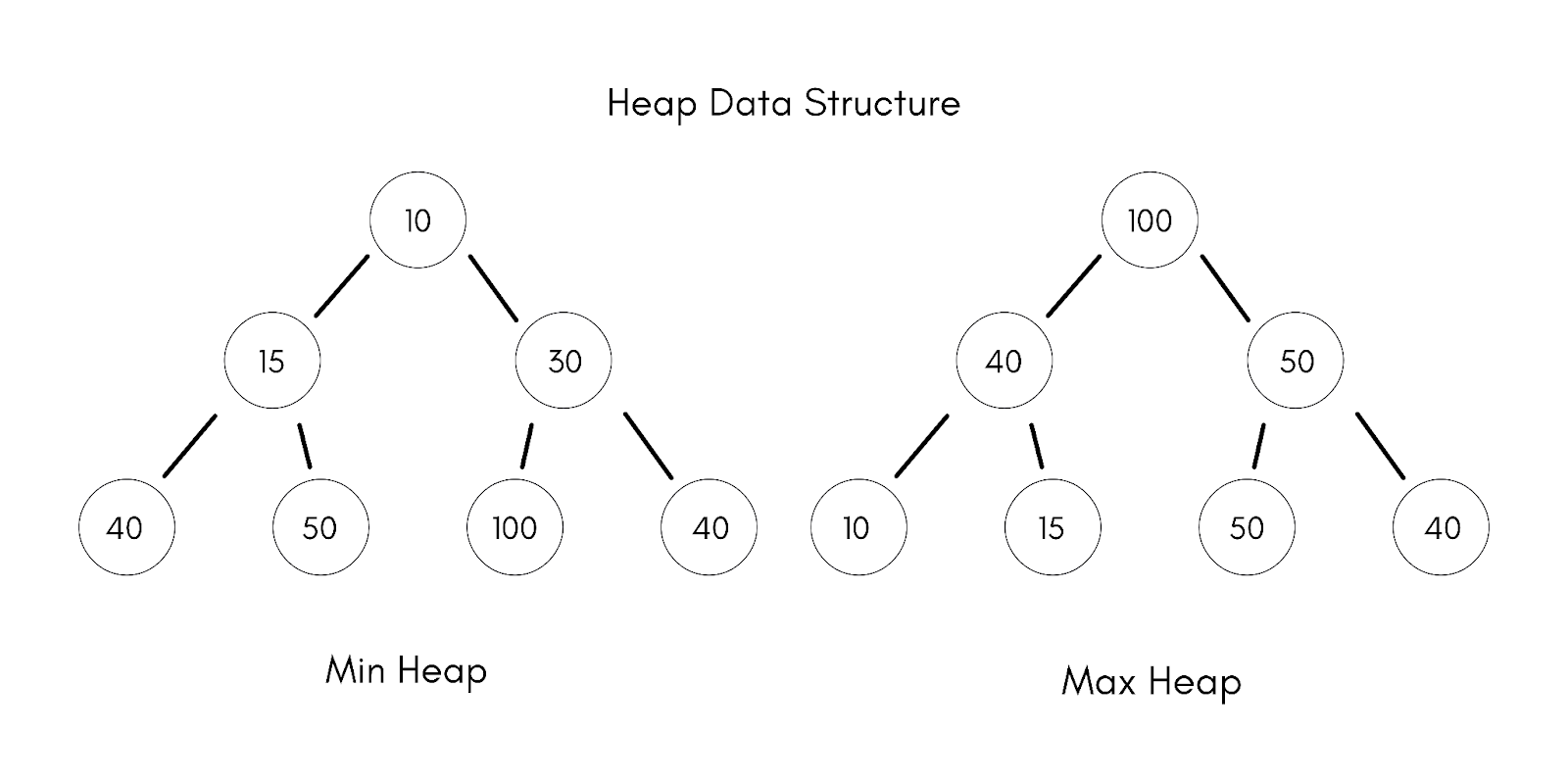
Heap memory, in equivalence, can store global variables (stack can only store localized variables), and there are fewer restrictions along what you can do with heap computer memory.
Heap stores data on a hierarchical system, and olibanum the access is a bit slower than stack memory. Jalopy memory can get clogged up finished time with fragmentation equally old disk hard drives did back in the day.
One bright spot about heap is that there are no limits on storage sizes, and variables can be resized if you need to.
Referable the storing similarities of old platter hard drives, heap memory works likewise with memory being stored randomly. This is why access speed is slower, as the data needs to be retrieved from many random spots within the chip.
Pros of Heap
- There are big pluses on the heap, peradventure the biggest one being that there are no limits when it comes to memory size.
- Do you need a huge allocation of remembering? Heap has got you covered on that and then some!
- You fire access variables globally under the heap, and you dismiss also resize variables when needed.
Cons of Heap
In that location are some negatives to using the heap, and these are retributory some of them that can affect programming speed and performance.
- Execution multiplication are slower than the stack, and it's much harder to manage the heap's memory in equivalence to the stack.
- Computations bring out longer to run on the sight than the batch, and using the heap bum easy lay out the RAM in your computer.
Stack vs. Tidy sum: Comparisons
The major differences between plenty and heap are many, and it's good practice to see where to each one can be used optimally within the programming process. We will search at some pros and cons of using from each one one and then directly compare heap and stack below.
- Spell a stack is used in the main forunmoving memory allocation, a heap is used fordynamic memory allocation . One of the things stack and heap let in common is that they are some stored in a computer's RAM.
- Slew storage management follows the LIFO (LIFO) order; storing variables creates space for unexampled variables. On the else hand,theheap doesn't follow any arrange. Information technology simply handles memory blocks dynamically.
- Stack memory is mechanically created at the same time as a thread. Meanwhile,memory in a heap is created as you create objects, which occupy space in the heap's memory.
- A stack is prudent for handling what you're executing in your code. On the other hand, a pile keeps track of your objects, i.e., IT keeps tag of all your information.
Stack vs. Heap: Question-to-Maneuver Comparing Summary
Here's a quick breakdown of how the features look side-by-side between stack and heap with the data we've covered above.
| Feature | Stack | Heap |
| Cost | Less | More |
| Variable Deallocation | Not Compulsory | Explicit Deallocation Is Necessary |
| Seek Access Time | Faster | Slower |
| Tractableness | Fast Size | Resizing Is Purchasable |
| Locality Of Denotation | Automatic Amass Clock Operating instructions | Adequate |
| Pain Point | Memory Shortages | Store Fragmentation |
| Implementation | 3 Different Ways - Simple Array-Based, Dynamic Memory, and Linked Leaning Based | 2 Variant Slipway - Array and Trees |
| Allocation and Deallocation | Automatically Done Past Compiler Instructions | Manually Finished By Programmer |
| Memory Allocation | One Contiguous Obturate | Any Random Put |
| Variable Resizing | Cannot Be Resized | Can Be Resized |
| Memory Size | Limited Size-Dependent On OS | No Specify Connected Memory Size |
| Variable Accession | Local Variables Only | Approach Variables Globally |
| Space Management | Oculus sinister Efficient Space Management | Blocks Of Memory - FIFO Format |
| Access Speed | Lofty-Speed Get at | Slower Than Slack |
| Data Social system | Additive Data Structure | Hierarchical Data Construction |
As you can see with this breakdown we stimulate highlighted in a higher place, the answer to which is better lies inside the computer programmer's ultimate goal in their project.
Stopping point
The age-old question of bus memory vs. stack memory is a hard one to answer.
If the programmer uses large structures or size arrays, they would be better off using the mint as you can apportion a large size to information technology. If the programmer just of necessity tiny variables that exclusive need the intelligent ins and outs, past utilizing the smokestack would be the better choice. A it is, it's user-dependent on which one would be better to use.
A better question for the programmer would be, which kind of "storage" memory would they similar to have under pressure? A NAND Flash Memory stick by (stack), operating room would they want to go with the sexagenarian standard (heap)? As mentioned above, pros and cons exist for either excerpt.
DOWNLOAD HERE
Stack vs Heap: What's the Difference? Free Download
Posted by: boycetheyne.blogspot.com